4.9

Google Star Rating
3,200+
Homes Protected in Central Texas







The System Behind Your Roof That Most Homeowners Never Think About.
Schedule Your Attic Ventilation Consultation
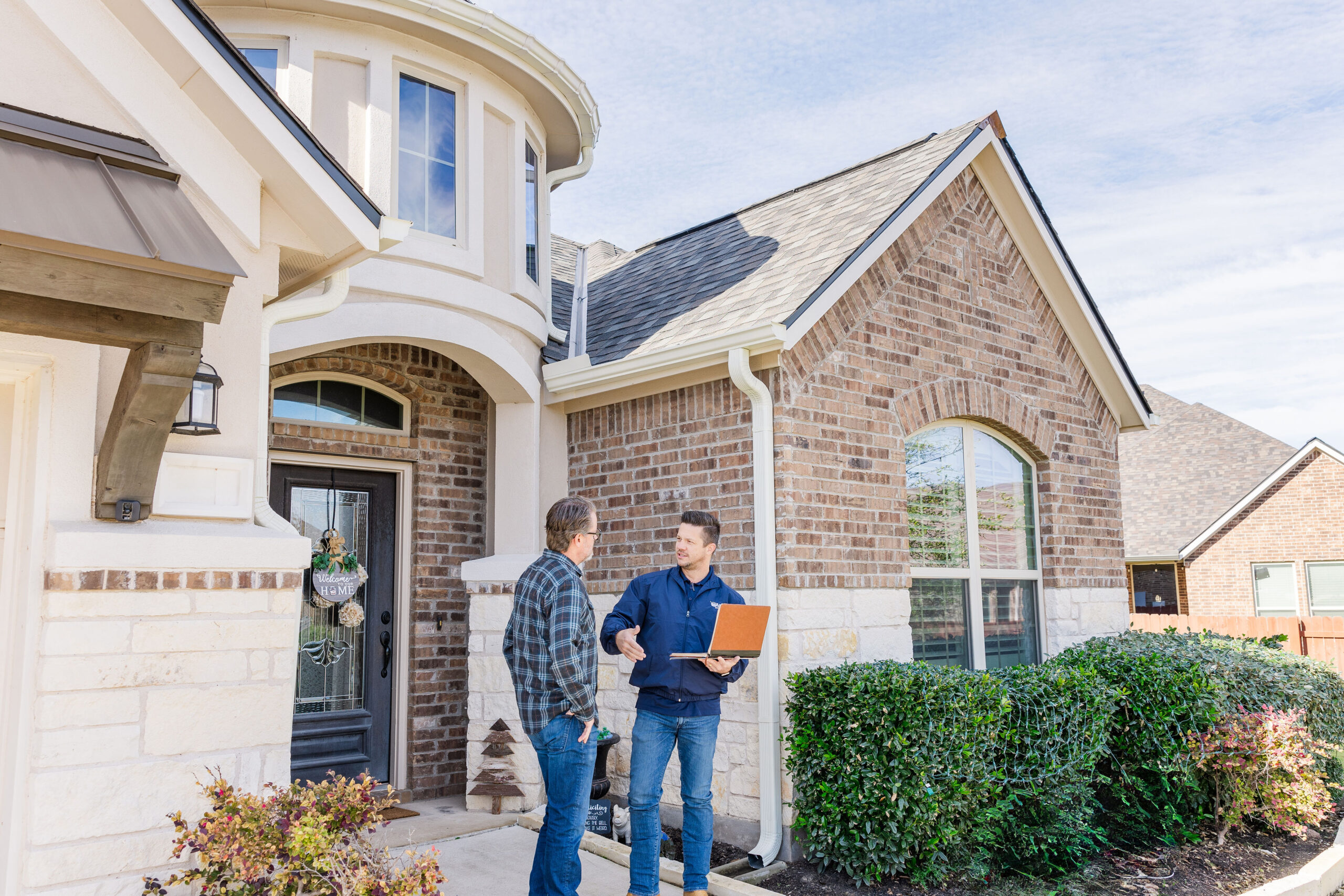
Most homeowners think about their roof. Almost nobody thinks about what's happening underneath it.
Attic ventilation is the system that regulates heat and moisture inside your home's envelope. Without adequate airflow, attic temperatures in Central Texas can exceed 160 degrees in summer. That heat radiates down into living spaces, drives up energy costs, and accelerates the degradation of roofing materials from the underside out.
Moisture is the other half of the problem. Improper ventilation traps condensation inside the attic during temperature swings. Over time that moisture warps decking, promotes mold growth, and compromises insulation. The damage accumulates quietly for years before it shows up on a ceiling or a utility bill.
A properly balanced ventilation system isn't just a comfort upgrade. Less heat trapped in the attic means less strain on your HVAC system, fewer compressor cycles, and a unit that isn't fighting a 160-degree attic all summer to keep your living space comfortable. The protection argument and the energy bill argument point to the same fix.
The right solution starts with understanding what your attic is actually doing.
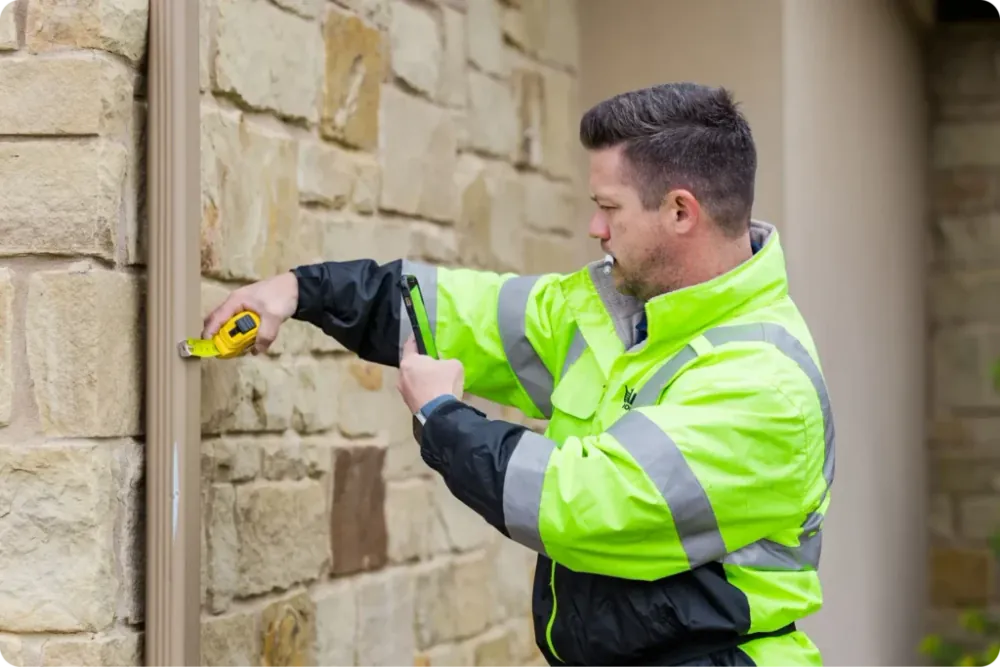
Before any product recommendation is made, Ark calculates your attic's intake and exhaust ratio against its actual square footage and current code requirements, alongside an assessment of insulation condition and moisture levels. The numbers tell us what your attic needs, not a guess.
Schedule Your Attic Analysis
The intake side of your ventilation system. Soffit and intake vents draw cooler outside air into the attic at the roofline's lowest point. Without adequate intake, exhaust ventilation cannot function correctly regardless of how many ridge or roof vents are installed.
Soffit & Intake Ventilation
The exhaust side of your ventilation system. Ridge vents, turbine vents, static vents, and solar-powered attic fans all serve the same function from different product categories. Ark installs the right exhaust solution for your home's profile and ventilation requirements.
Exhaust Ventilation
A reflective barrier installed in the attic that reduces radiant heat transfer from the roof deck into the living space. Particularly effective in Central Texas where sustained summer heat drives attic temperatures past 160 degrees and radiates directly into air-conditioned living areas.
Radiant Barrier InstallationCentral Texas summer attic temperatures regularly exceed 160 degrees. That heat doesn't stay in the attic. It radiates down through the ceiling into air-conditioned living spaces, driving up energy costs and shortening the lifespan of roofing materials from the underside out.
The September 24, 2023 storm event that caused $600 million in combined damage across Travis and Williamson Counties (Source) also demonstrated something most homeowners don't consider. Storm damage to soffit and intake vents disrupts the ventilation balance that keeps attics functioning correctly. A roof that looks repaired from the outside can still have a compromised ventilation system working against it from beneath.
Central Texas also has a specific moisture challenge that most national ventilation guides don't address. The dramatic temperature swings that come with spring and fall cold fronts create condensation cycles inside poorly ventilated attics that accumulate over seasons. Mold, decking deterioration, and insulation compression follow quietly until the damage is significant enough to be visible.
An attic that breathes correctly costs less to cool, protects the roof above it, and lasts longer than one that doesn't. In this climate the difference is measurable on every utility bill and every roofing inspection.
Luke and his team were very professional and good at communicating throughout the whole process. They took care of everything and made the work pretty painless. Don't hesitate to give them a chance.
The company president is personally committed to excellence from start to finish. He conducted a detailed survey, including an inspection from inside the attic and a drone overview. One of the best experiences we have ever had with a contractor.
Ark not only replaced my roof, they totally redone my home's exterior. The best-looking work I have ever had done. Nice to have a local Georgetown business right up the road.