 Class 4 Impact-Rated Steel

Reflect the Heat Before It Becomes Your Problem.
Schedule Your Roof Consultation
Class 4 Impact-Rated Steel

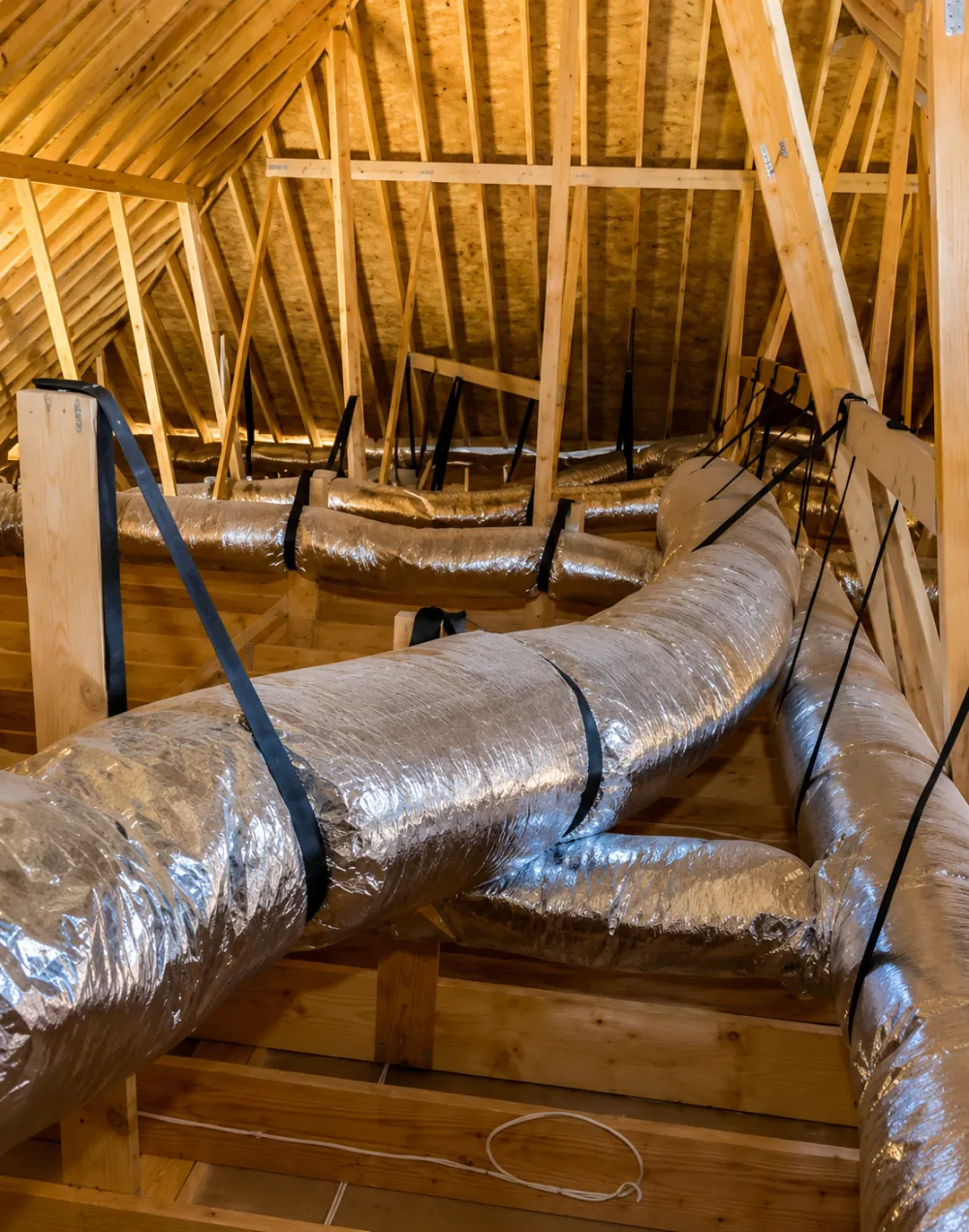
A radiant barrier is a reflective material installed in the attic, typically against the underside of the roof deck or draped over existing insulation, that reduces radiant heat transfer from the hot roof surface into the attic space below. Unlike traditional insulation, which slows heat conduction, a radiant barrier reflects radiant heat before it transfers into the attic at all.
Studies conducted in hot climates similar to Central Texas show meaningful reductions in attic temperature and cooling costs following radiant barrier installation, particularly in homes without adequate existing insulation or ventilation. Given the sustained, intense solar exposure this region receives nine to ten months annually, a radiant barrier addresses the specific heat source that drives Central Texas attic temperatures to their extremes.
Central Texas attics absorb an enormous amount of radiant heat directly from the sun-exposed roof deck. A radiant barrier addresses that heat at the source, before it ever reaches the attic floor or radiates down into living spaces below. For homes without adequate insulation or ventilation, a radiant barrier is one of the most cost-effective improvements available to reduce cooling costs.
A properly balanced attic isn’t just a comfort upgrade. Less heat trapped above the living space means less strain on your HVAC system, fewer compressor cycles, and a unit that isn’t fighting a 160-degree attic all summer. A radiant barrier addresses the heat source directly, and pairs naturally with the ventilation system that manages everything else.
Every project starts with a documented inspection of your roof, exterior, and attic. You receive the full report before any recommendation is made.
What is an ArkCertified Inspection?Once you’ve selected your roofing system, we take great care to ensure your home experiences minimum disruption and your property is protected throughout installation.
See Our ProcessA radiant barrier works best when your ventilation is already doing its part. Start with an Attic Ventilation Analysis so both pieces are evaluated together before the barrier goes in.
Ark not only replaced my roof, they totally redone my home's exterior. The best-looking work I have ever had done. Nice to have a local Georgetown business right up the road.
The company president is personally committed to excellence from start to finish. He conducted a detailed survey, including an inspection from inside the attic and a drone overview. One of the best experiences we have ever had with a contractor.
Luke and his team were very professional and good at communicating throughout the whole process. They took care of everything and made the work pretty painless. Don't hesitate to give them a chance.
The calculation-first diagnostic that tells you what your attic actually needs.
ExploreThe intake side of the system most homeowners never see, and often the gap.
Explore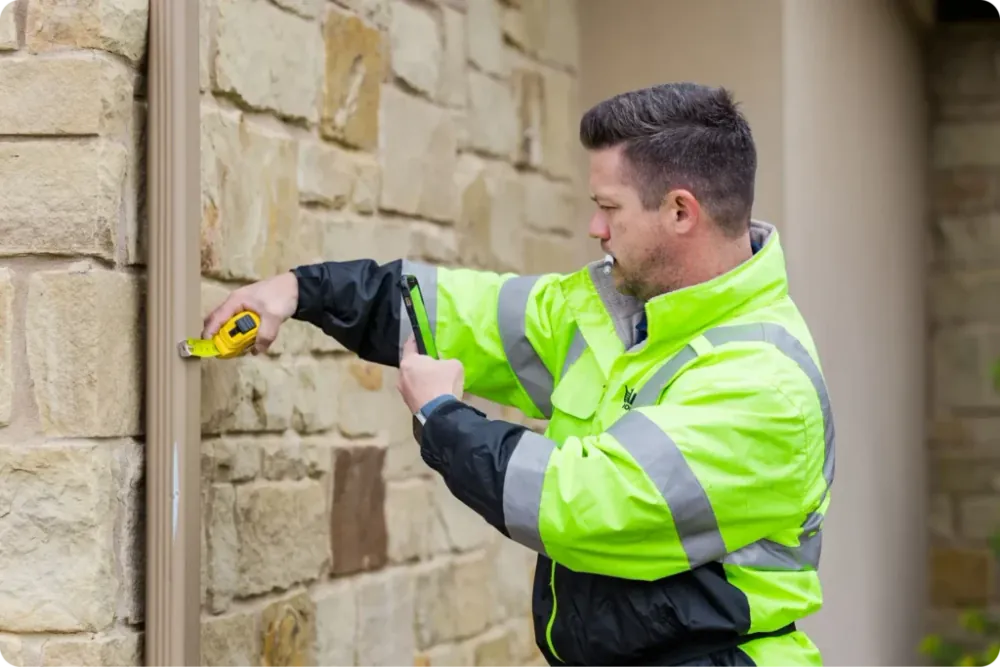
Ridge vents, turbine and static vents, and solar-powered fans compared.
Explore