Roof Leak Repair in Central Texas

The Source Is Rarely Where the Water Appears.

Schedule Your Roof Consultation

Schedule Your Roof Consultation.

Schedule Your Roof Consultation
BBB Accredited Class 4 Impact-Rated Steel Senox ★★★★★ 4.9 Google
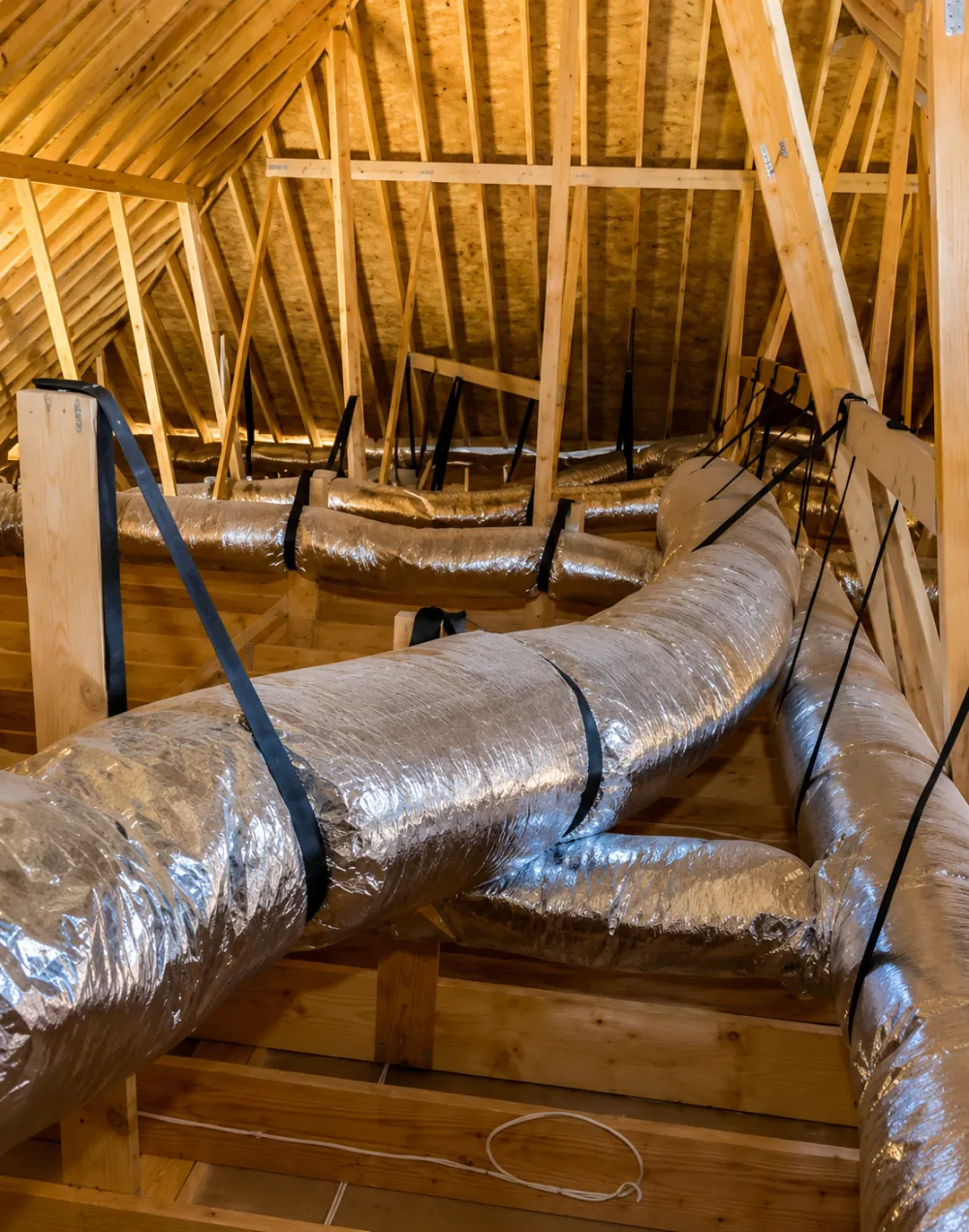
Attic inspection tracing a roof leak to its source
Why Leaks Are Hard to Diagnose

Why a Leak’s Entry Point Is Rarely Where You See It

Water travels. It enters at a failed seal, a cracked flashing point, or a compromised shingle, then follows the path of least resistance along decking, rafters, and insulation before finally showing up as a stain on your ceiling. The ceiling stain tells you where the water landed, not where it got in. Patching the ceiling or even the roof directly above the stain often misses the actual entry point entirely, which is why leak repairs that aren’t properly diagnosed tend to recur.

Central Texas

Why Roof Leaks Are More Common in This Climate

Central Texas subjects roofing materials and flashing to a combination of stressors that accelerates leak development. UV exposure degrades sealants faster than national averages suggest. Hail impact creates hidden cracks that widen over time. And the freeze-thaw cycling that comes with dramatic temperature swings stresses every seal and joint repeatedly throughout the year. A roof that was watertight last year can develop a leak this year without any single dramatic event causing it.

Common Leak Sources

What Usually Causes Roof Leaks in Central Texas

The most common leak sources Ark encounters are failed flashing around chimneys, skylights, and vent penetrations, compromised seals from wind or age-related shingle wear, and valley flashing that wasn’t properly integrated during original installation. Hail-cracked shingle mat is also a common source that doesn’t always announce itself until a leak develops weeks or months after the storm event that caused it.

The Diagnostic Process

How Ark Diagnoses Roof Leaks

Step 1 · Interior AssessmentArk examines the interior damage pattern, including ceiling stains, attic moisture, and insulation condition, to narrow the likely source area.
Step 2 · Roof InspectionA full inspection of the roof surface, flashing, and penetrations in the probable source area, checking for compromised seals, cracked flashing, and damaged shingles.
Step 3 · Source ConfirmationIn some cases, water testing is used to confirm the exact entry point before repair begins.
Step 4 · RepairOnce the source is confirmed, Ark repairs the actual point of failure, not just the visible symptom.
Our Process

What Happens After You Call Ark

01

ArkCertified Inspection

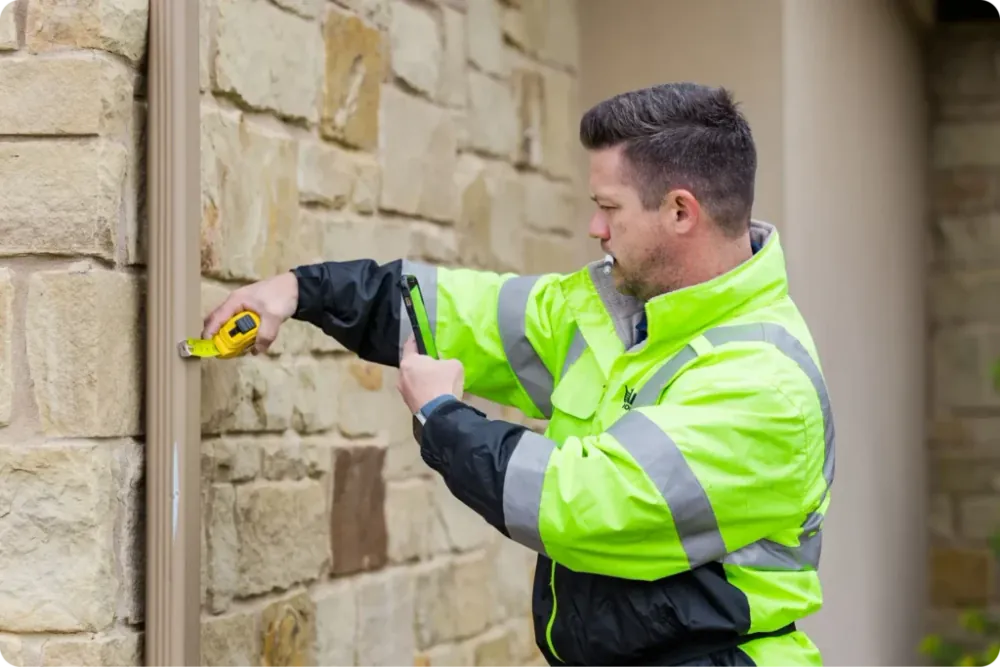
Every project starts with a documented inspection of your roof, exterior, and attic. You receive the full report before any recommendation is made.

What is an ArkCertified Inspection?
02

The Roof Replacement Process

Once you’ve selected your roofing system, we take great care to ensure your home experiences minimum disruption and your property is protected throughout installation.

See Our Process
FAQ

Frequently Asked Questions About Roof Leak Repair

Intermittent leaks are often related to wind direction and rainfall intensity. A leak that only appears during wind-driven rain from a specific direction suggests a flashing or seal issue on that particular side of the roof. An inspection during or shortly after a leak event provides the most useful diagnostic information.
Cost depends entirely on the diagnosis. A straightforward flashing reseal costs significantly less than a repair requiring decking replacement due to prolonged water intrusion. The most accurate way to understand your specific cost is an inspection.
Yes. Water can travel along rafters and decking for some time before saturating drywall enough to show a visible stain. By the time a stain appears, moisture damage to the structure has often already begun.
Coverage depends on the cause of the leak. Leaks caused by a sudden event like hail or wind damage are generally covered under standard policies. Leaks from gradual wear, age, or maintenance neglect are typically not covered.
Active leaks should be addressed as quickly as possible. The longer water intrusion continues, the more it spreads into decking, insulation, and framing, turning a contained repair into a larger and more expensive one.
Active leak diagnosis and temporary mitigation can often happen regardless of weather, but permanent repair work generally requires dry conditions to ensure proper material adhesion and sealing. If you have an active leak during a storm, call Ark directly. Temporary measures can often be taken to limit damage until the repair itself can be completed.
Not necessarily. Isolated leaks from a single flashing or seal failure are typically repairable without replacing the roof. A leak is more likely to indicate a replacement need when it’s one of several issues on an aging roof, or when the underlying decking has sustained significant water damage from prolonged, undetected intrusion. An inspection determines which applies to your situation.
Financing

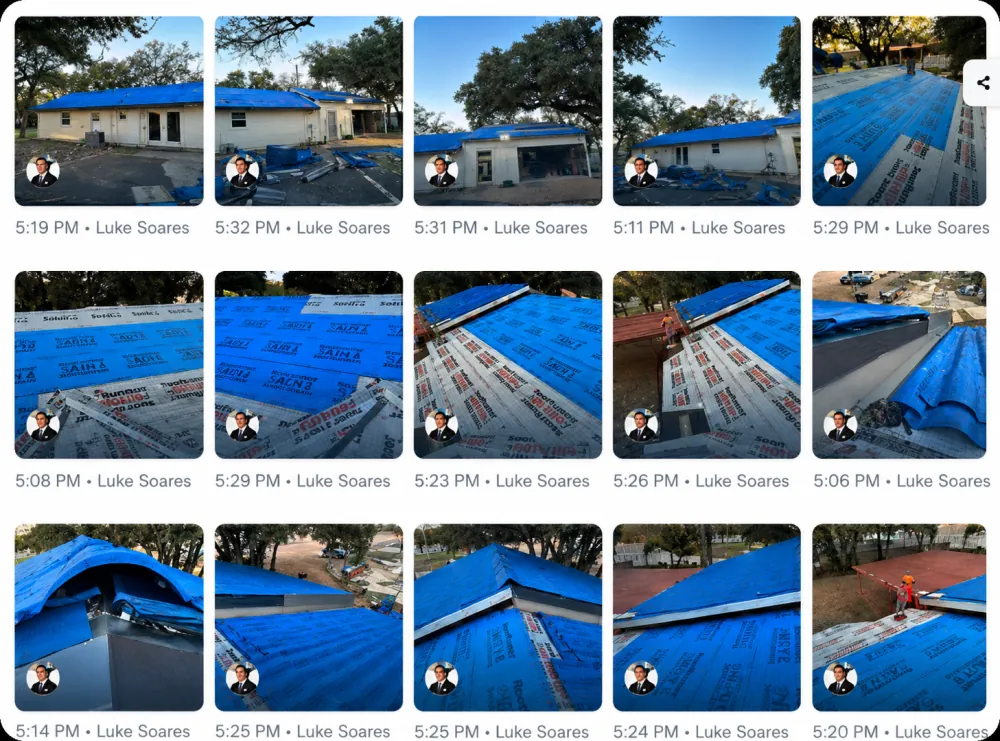
Leaks caused by a sudden event like hail or wind are generally covered. Ark documents the source with timestamped photos so the claim rests on the evidence.

Explore Payment Options
Social Proof

What Your Neighbors Are Saying

Ark not only replaced my roof, they totally redone my home's exterior. The best-looking work I have ever had done. Nice to have a local Georgetown business right up the road.

Jack H.
Georgetown, Texas

The company president is personally committed to excellence from start to finish. He conducted a detailed survey, including an inspection from inside the attic and a drone overview. One of the best experiences we have ever had with a contractor.

Earl D.
Georgetown, Texas

Luke and his team were very professional and good at communicating throughout the whole process. They took care of everything and made the work pretty painless. Don't hesitate to give them a chance.

Amber H.
Georgetown, Texas
Roofing Systems

Not Sure Which Roofing System Is Right for You?

Find the Source. Fix It Right.

Schedule Your Free Consultation