 Class 4 Impact-Rated Steel

Exhaust at the Point Where Your Roof Needs It Most.
Schedule Your Roof Consultation
Class 4 Impact-Rated Steel

Turbine vents use wind to spin a turbine head, actively pulling hot air out of the attic through the vent opening. Static vents have no moving parts, relying on natural convection to allow hot air to escape. Both are installed at specific points on the roof surface rather than continuously along the ridge, making them useful for roofs with limited ridge length or specific hot spots that need targeted exhaust.
Roofs with limited ridge length or complex rooflines often can’t rely on ridge venting alone to manage Central Texas’s extreme summer attic heat. Turbine and static vents fill that gap, providing targeted exhaust at specific points where airflow is most needed. For homes with standing seam or snap lock metal roofing, RoofiVent’s cross-compatible design is particularly relevant given the more limited exhaust options typically available for metal profiles.
Ark installs Lomanco vents as the standard turbine and static option, but highlights RoofiVent’s iVent product line as the premium specification. RoofiVent’s design offers compatibility across multiple roofing profiles, including standing seam metal, snap lock metal, exposed fastener rib panels, and shingle or slate roofs, making it a versatile option for homes with mixed roofing materials or for pairing with metal roof installations where standard vent options are more limited.
Every project starts with a documented inspection of your roof, exterior, and attic. You receive the full report before any recommendation is made.
What is an ArkCertified Inspection?Once you’ve selected your roofing system, we take great care to ensure your home experiences minimum disruption and your property is protected throughout installation.
See Our ProcessTurbine and static vents only perform correctly with adequate intake to draw from. Start with an Attic Ventilation Analysis to confirm your system’s balance, or go straight to Soffit & Intake Ventilation if you already know intake is the gap.
Ark not only replaced my roof, they totally redone my home's exterior. The best-looking work I have ever had done. Nice to have a local Georgetown business right up the road.
The company president is personally committed to excellence from start to finish. He conducted a detailed survey, including an inspection from inside the attic and a drone overview. One of the best experiences we have ever had with a contractor.
Luke and his team were very professional and good at communicating throughout the whole process. They took care of everything and made the work pretty painless. Don't hesitate to give them a chance.
Continuous, passive exhaust along the roof ridge. The standard specification.
Explore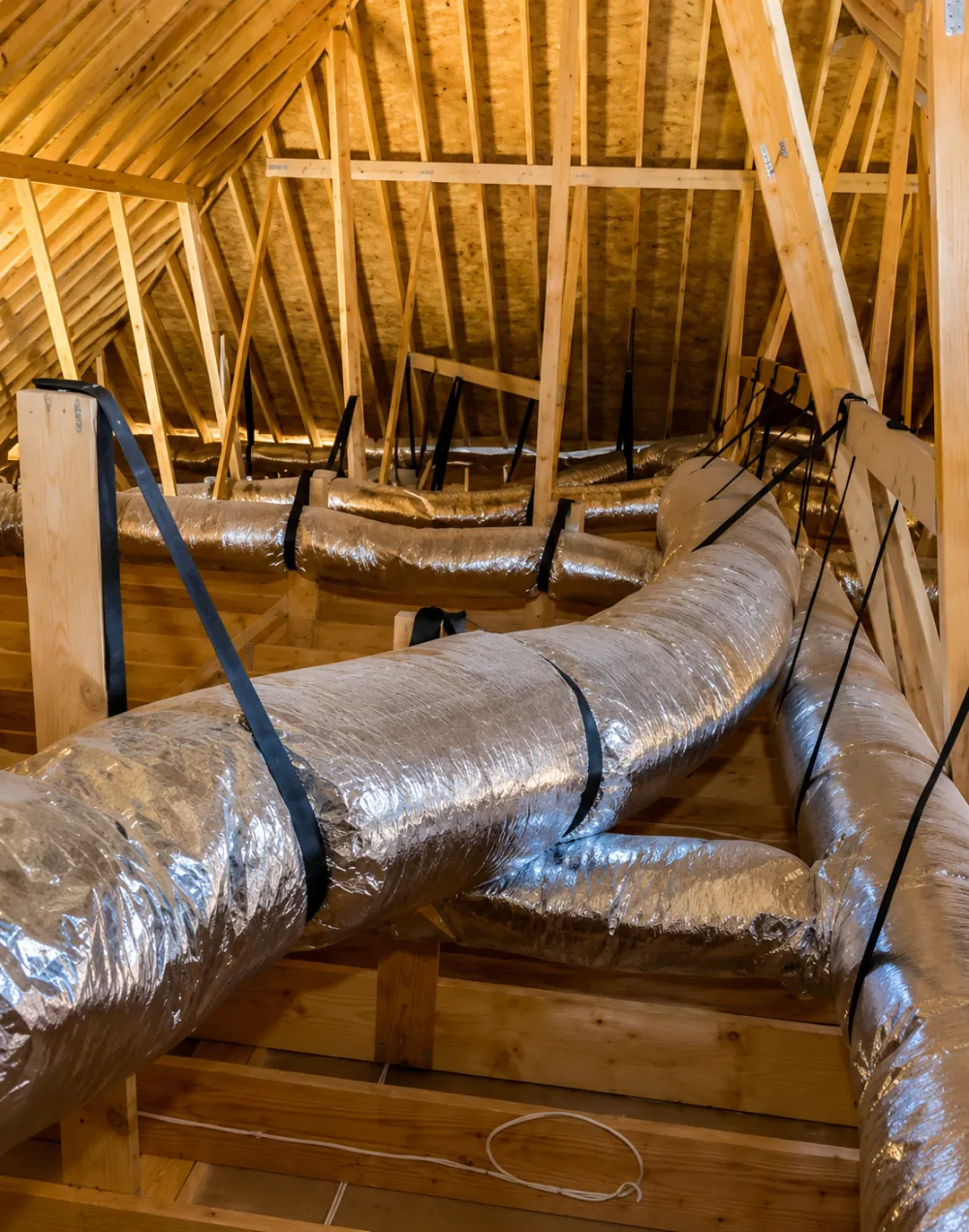
Active exhaust powered by the sun. Attic Breeze certified installer.
Explore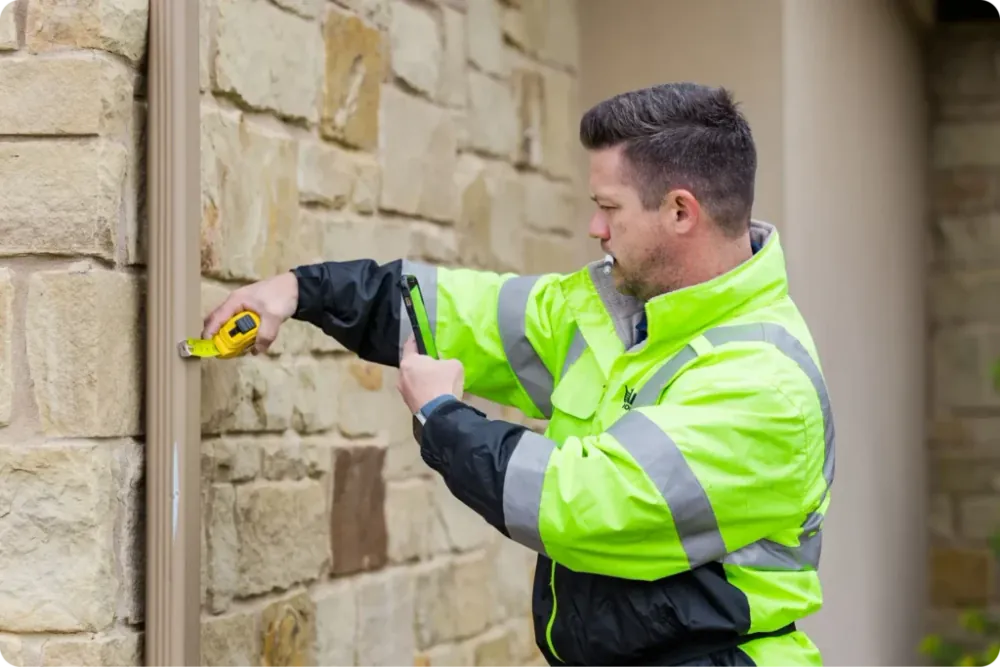
Ridge vents, turbine and static vents, and solar-powered fans side by side.
Explore